
Planning a Monterrey World Cup 2026 trip? Estadio BBVA hosts 4 matches from June 14 to June 29, 2026. This Monterrey World Cup 2026 travel guide covers matches, Monterrey World Cup 2026 hotels, FIFA Fan Festival, food, transit, and local tips for a successful Monterrey World Cup 2026 trip.
Monterrey World Cup 2026 Travel Guide: Your Full Monterrey World Cup 2026 Trip Plan
The Complete Monterrey World Cup 2026 Travel Guide
Four matches. A Round of 32 knockout on June 29. The world’s largest FIFA Fan Festival at Parque Fundidora (100,000 daily capacity). Mountain backdrops, cabrito-on-the-spit barbecue, and the fiercest soccer town in northern Mexico. Here’s how to actually do a Monterrey World Cup 2026 trip right.
Monterrey is hosting four FIFA World Cup 2026 matches at Estadio BBVA (officially “Monterrey Stadium” for the tournament) — three group-stage games plus a Round of 32 knockout on June 29. The R32 is Monterrey’s marquee match, a Group F Winner vs. Group C Runner-up draw that could feature any of the tournament’s heavyweight teams. Plus Sweden vs. Tunisia (June 14), Tunisia vs. Japan (June 20), and South Africa vs. South Korea (June 24) round out the group slate.
We wrote this as a Monterrey World Cup 2026 cheat sheet, not a generic travel-guide regurgitation. Real neighborhoods. Real prices in MXN and USD. Honest warnings about the brutal June heat, the lack of direct metro to Estadio BBVA, and why San Pedro Garza García is worth the price premium. For official details, see fwc26monterrey.com. Part of our World Cup 2026 Host Cities Travel Guide series.
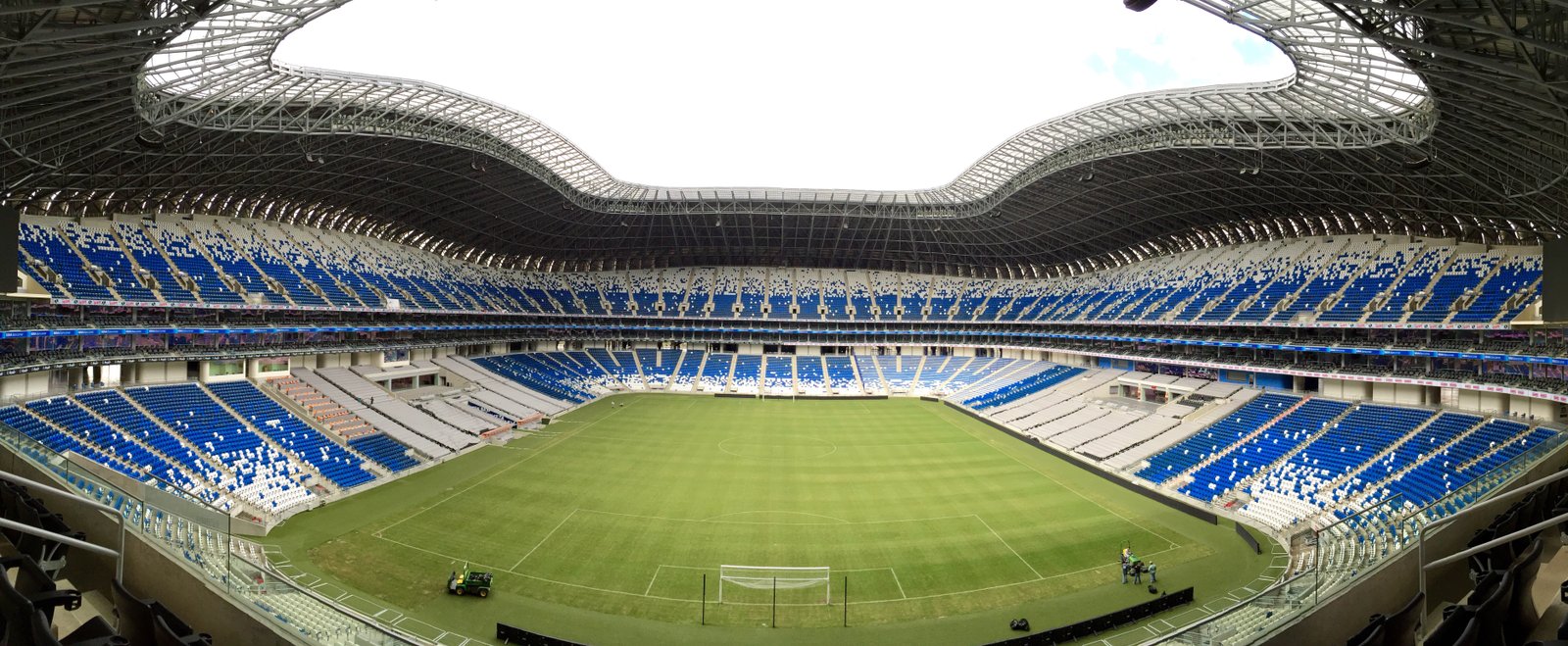
Every Monterrey Match at Estadio BBVA
Estadio BBVA (officially “Monterrey Stadium” for the tournament) sits in Guadalupe, the municipality immediately east of Monterrey proper — with the iconic Cerro de la Silla mountain visible from the upper decks. Capacity for the World Cup is around 53,500 in the soccer configuration. It’s widely regarded as the most architecturally striking stadium in Mexico. Here’s the full Monterrey slate (all times Central, CT):
| Date | Kick-off (CT) | Match | Stage |
|---|---|---|---|
| Sun, Jun 14 | 9:00 PM | Sweden vs. Tunisia | Group |
| Sat, Jun 20 | 11:00 PM | Tunisia vs. Japan | Group |
| Wed, Jun 24 | 8:00 PM | South Africa vs. South Korea | Group |
| Mon, Jun 29 | 8:00 PM | Winner Group F vs. Runner-up Group C | Round of 32 |
The Round of 32 on June 29 is Monterrey’s clear headliner — with Japan’s June 20 match likely setting up heavy Japanese supporter traveling to the region. The Sweden vs. Tunisia opener (June 14) and South Africa vs. South Korea (June 24) will be more specialized draws, but locally-driven demand for any match at Estadio BBVA will fill the stadium. Book by early May 2026 or expect to pay 2–3x baseline for hotels during those two weeks, especially around the R32 match on a Monday night.
Gates open 2 hours before kick-off at Estadio BBVA. There is no direct Metrorrey station at the stadium — take Metro Line 1 (L01) to Exposícion Station and walk 9–10 minutes east. Match-day shuttle buses will also run from Macroplaza and San Pedro hotel clusters. Plan rideshare as a backup; Monterrey June nights are hot and post-match traffic is brutal.
Getting To Estadio BBVA
Estadio BBVA is in Guadalupe, about 10 km east of Monterrey’s city center. There’s no direct metro station, but the Metrorrey Line 1 + a 10-minute walk from Exposícion Station is the cleanest public transit option. Match-day shuttles from central hotel hubs are expected for all four WC games.
1. Metrorrey Line 1 + walk (recommended)
Take Metro Line 1 (L01) to Exposícion Station, then walk 9–10 minutes east to the stadium via Av. Pablo Livas. Fare is MXN $6 ($0.35 USD) per ride on a Feria prepaid card. Trains every 5–10 minutes. This is the sanest option if you stay near a Metro line.
2. Official match-day shuttles
For World Cup 2026, the host committee is running dedicated shuttle routes from Macroplaza, San Pedro hotel clusters, and Valle Oriente direct to Estadio BBVA, with reserved matchday lanes. Expected round-trip fare: MXN $150–$300 ($9–$18 USD). Buy in advance on fwc26monterrey.com.
3. Rideshare (Uber, DiDi)
Uber and DiDi both work well in Monterrey. Expect MXN $200–$500 ($12–$30 USD) from central Monterrey to Estadio BBVA on match days, with 2–3x surge pricing 90 minutes before kickoff. DiDi is often 20–30% cheaper. Post-match pickups are slow — walk 10+ minutes out of the security perimeter before your driver can collect you.
4. Driving and parking
Estadio BBVA has approximately 3,000 on-site parking spots at MXN $300–$500 ($18–$30 USD), pre-booked only. Match-day traffic on Av. Pablo Livas and Autopista Monterrey-Reynosa jams for hours pre- and post-match. Drive only if you’re arriving 4+ hours early.
Where to Stay: Neighborhoods Ranked by Match-Day Sanity
Monterrey has strong hotel density across San Pedro Garza García (upscale), Valle Oriente (business district), and Centro/Barrio Antiguo (historic). The match-day priority is proximity to Metro Line 1 OR to San Pedro/Valle Oriente hotel clusters where match-day shuttles will originate.
Mexico’s wealthiest and safest municipality, immediately west of Monterrey proper. Luxury hotels (JW Marriott, Safi Royal, Presidente InterContinental), top restaurants, boutique shopping, and the most polished dining scene in northern Mexico. 25 min drive to Estadio BBVA. The clear premium pick.
Modern corporate district adjacent to San Pedro, with high-rise hotels (Hyatt Regency, Westin, Camino Real), convention centers, Galerías Valle Oriente mall. 20 min drive to Estadio BBVA. Less character than Barrio Antiguo but clean, safe, and well-connected for business travelers.
Historic downtown around the giant Macroplaza (one of the largest city squares in the world). Walking distance to Parque Fundidora Fan Fest via the Paseo Santa Lucía canal boat. Colonial architecture, museums (MARCO, Museo de Historia Mexicana), government buildings. Mid-tier hotels.
19th-century bohemian quarter adjacent to Centro — cobblestone streets, colonial buildings, cantinas, live music venues, mezcal bars. 10-min walk to Parque Fundidora. Limited hotels but excellent boutique options and Airbnbs in restored colonial buildings. The cultural heartbeat of Monterrey.
The municipality that houses Estadio BBVA — mid-range hotels close to the venue for 5–15 min drives. Less cultural character, more residential-and-business mix. Worth considering if you’re doing all 4 matches and want to minimize match-day commute. Industrial character.
Suburban Monterrey clusters 30–50 minutes from Estadio BBVA. Might look cheap on maps, but the match-day commute in June heat is rough. Only consider if you find a dramatic price difference and can rent a car for flexibility.
✓ One Key rewards across brands
Traveling with a group, or staying for multiple matches?
Monterrey’s Vrbo inventory in San Pedro, Barrio Antiguo, and the Centro has strong 2–4 bedroom options — restored colonial houses, modern condos, and family-sized apartments that split 4–8 ways far cheaper per person than premium San Pedro hotels. For a full 4-match run including the R32 knockout, a Vrbo wins on cost AND flexibility.
San Pedro Garza García is genuinely much safer than other parts of Monterrey — it’s worth paying the premium if security is a concern. Centro and Barrio Antiguo are fine during daytime and early evening, but stick to main streets at night. Use Uber/DiDi for late rides. Book flexible rates for the June 29 R32 — qualification scenarios will shift demand week to week.
Fan Festival & The Best Bars to Watch Matches
Monterrey’s FIFA Fan Festival is at Parque Fundidora — a 354-acre former steel mill transformed into Mexico’s largest urban park. Fan Fest runs from June 11 to July 19, 2026 with an expected 100,000+ daily capacity, making it the largest FIFA Fan Festival in the entire tournament. Free with advance online registration. The park also houses the iconic Paseo Santa Lucía canal that connects to Macroplaza — you can arrive by boat, which is the most memorable pre-match approach.
Best bars and watch parties (for when 100,000 strangers aren’t your thing)
Historic Monterrey institution since 1954, famous for its roasting-spit display of cabrito (young goat) in the front window. Screens for matches, Norteño atmosphere, excellent carne asada. Cash preferred. Peak Monterrey dining experience pre- or post-stadium.
Modern upscale restaurant + sports bar with massive HDTV screens, excellent wood-fire grill, full international beer lineup. Popular with business-class travelers. Reservations essential on match days. Walking distance from Galerías Valle Oriente hotels.
Classic Monterrey cantina in a 19th-century Barrio Antiguo building — tin ceilings, tile floors, old photos on the walls. Screens for soccer games, outstanding botanas menu (free snacks with drinks). Gets packed but atmospheric. The authentic Monterrey bar experience.
Texas-style BBQ smokehouse with American sports-bar vibe — plenty of screens, craft beer, BBQ platters. A good landing spot for US travelers who need a familiar comfort zone. Loud on match nights.
Classic American-style sports bar with the biggest screen setup in Monterrey (12+ large TVs). Good wings, IPA rotation, wide menu. Packed for every international match. Book a table for Japan and South Korea games.
Outdoor terrace bar at the base of Parque Chipinque with stunning views of the Cerro de la Silla. Cocktails, craft beer, norteño tapas. Fewer screens — more for pre-match atmosphere with a view. Sunset timing is magic.
What To Actually Eat In Monterrey
Monterrey is the cabrito capital of the world — roasted young goat on a vertical spit is the defining regional dish. Norteño cuisine is meat-forward, grill-centric, and unapologetic: carne asada on Sundays is cultural law, machaca (dried shredded beef) is breakfast, and flour tortillas are the northern Mexican default (not corn). Regional specialties also include cabuches, nopalitos, cortadillo, and frijoles charros. Most dining pairs with Nuevo León craft beer or mezcal from nearby Coahuila.
Monterrey essentials
The cabrito experience — whole roasted young goat carved tableside, served with machitos (grilled organs), handmade flour tortillas, and grilled onions. MXN $500–$800 per person. The most Monterrey meal you’ll eat. Reservation recommended for match days.
1922 cantina serving classic norteño dishes — agujas al carbón, frijoles charros, and arrachera steak. Strong mezcal program, excellent botanas menu. MXN $350–$600 per person. Lunch is peak; the post-cabrito nap spot.
Regional-style tacos de trompo, tacos al pastor, and arrachera tacos — fresh-made flour tortillas, generous portions. MXN $150–$250 per person. The neighborhood lunch spot. Multiple locations across San Pedro and Valle Oriente.
Chef Guillermo González Beristain’s upscale take on northern Mexican cuisine — tasting menus, excellent wine list, polished service. One of Mexico’s most-awarded restaurants. $90–$140 USD per person. Book 4+ weeks ahead for tournament weeks.
Beyond cabrito
The iconic Monterrey breakfast spot — machaca con huevo, chilaquiles, carne asada plates, huge flour tortillas made on-site. Huge lines on weekends. MXN $150–$300 per person. The post-Saturday-night recovery breakfast.
Trendy pan-Asian restaurant with strong Japanese and Thai menus. Wagyu nigiri, robata grills, yakitori. Rooftop terrace views of Cerro de la Silla. Reservations essential. Escape from the cabrito rotation.
Modern cafe + bakery serving local ingredients in contemporary preparations — Mexican pastries, specialty coffee, brunch plates. Walking distance from Macroplaza. Good for a light pre-Fan-Fest fuel. Cash + cards.
Casual Italian-Mexican fusion — wood-fired pizzas, pastas, Mediterranean grill. Great for a change-of-pace dinner during a full week in Monterrey. Mid-range pricing ($25–$40 USD per person). Reservations recommended.
Getting Around Monterrey
Monterrey has Mexico’s third-best public transit after CDMX and Guadalajara — Metrorrey light rail with 3 lines, extensive bus network, plus Uber and DiDi. You can do most of a World Cup trip without a car, but for rest-day trips to Santiago or Grutas de García a rental is worthwhile.
From the airport
Monterrey International (MTY) is 25 km northeast of downtown in Apodaca. There is no rail connection to the airport. Use Uber/DiDi (MXN $300–$500, $18–$30 USD, 35–60 min depending on traffic) or the taxi autorizado counter (fixed price, slightly more). Official airport shuttle buses run to Centro every 30 minutes for MXN $140 ($8 USD).
Metrorrey (Metro)
Three lines: L01 runs east-west (with Exposícion Station 9 min walk from Estadio BBVA), L02 runs north-south through Centro, L03 runs east across Guadalupe. MXN $6 ($0.35 USD) per ride on a Feria card. Trains every 5–10 minutes. The workhorse.
Ecovía BRT + buses
Ecovía is Monterrey’s rapid bus transit along Av. Lincoln. Regular bus network covers neighborhoods the Metro doesn’t reach. Fares equivalent to Metro. Useful for San Pedro and Valle Oriente areas that aren’t well-covered by rail.
Rideshare & car rental
Uber and DiDi both work well (DiDi often 20–30% cheaper). Car rental is worth it for day trips to Santiago de Nuevo León (40 min south), Cascada Cola de Caballo (50 min), or Grutas de García (90 min west). Downtown parking is expensive and streets are one-way heavy — skip the rental for city use.
Things To Do Beyond The Matches
With 4 matches spread over 16 days, full group-stage + R32 fans have 10+ rest days in Monterrey. Nuevo León rewards those days — Cerro de la Silla mountain, a colonial Pueblo Mágico an hour south, Mexico’s largest underground caves, and a skyline ringed by the Sierra Madre.
The 354-acre former steel mill transformed into Monterrey’s iconic park — museums (Horno3 steel-making museum), lakes, walking trails, sculptures, the Paseo Santa Lucía canal. Fan Fest central. Worth a full visit beyond match days.
Colonial Pueblo Mágico 40 minutes south of Monterrey — cobblestone streets, colorful houses, the Presa de la Boca reservoir, artisan shops, and a traditional central plaza. Great boat-rental options, kayaking, or lunch at one of the lakeside restaurants.
25-meter “horsetail” waterfall in the Sierra Madre Oriental, reached by a short hike through lush canyon. Basic entry fee. Combine with Santiago for a full Nuevo León rest day. Best in morning before the crowds.
Mexico’s largest cave system, west of Monterrey in García municipality. Cable-car up the mountain, then a 2-km guided underground tour past dramatic stalactites and stalagmites. Full day trip with driving. Moderate fitness required.
Mountain park above San Pedro with hiking trails from 30-minute strolls to multi-hour ascents of Cerro de la Silla. Incredible city views, fresh cool air, potential deer sightings. Perfect early-morning rest-day activity before the June heat peaks.
One of the largest city squares in the world, surrounded by museums (MARCO contemporary art, Museo de Historia Mexicana, the iconic Faro del Comercio lighthouse). The Paseo Santa Lucía canal boat ride to Parque Fundidora is the most scenic urban commute in Mexico.
Between matches? Book Grutas de García and Santiago trips early.
Grutas de García cable-car tours, Santiago de Nuevo León day trips, cabrito tasting tours, and Parque Chipinque guided hikes all book out during tournament week. Viator handles most of them with free cancellation up to 24 hours, so you can lock in rest-day slots now and adjust if R32 qualification scenarios shift your schedule.
Essential Travel Tips
Weather & packing
Monterrey in June is genuinely brutally hot — daytime highs routinely 95–105°F (35–40°C), overnight lows 72–78°F (22–26°C), with intense humidity. This is the hottest host city in the tournament. Pack breathable light-colored clothing, serious sunscreen (SPF 50+), a wide-brim hat, and electrolyte packets. Hydration is non-optional. Evening matches are more comfortable than afternoons; the June 20 11 PM match will be the coolest.
Language
Spanish is the primary language. English fluency is good at San Pedro hotels, business-district restaurants, and major tourist sites, but rare at cantinas and neighborhood spots. Monterrey’s accent (“regio”) is distinct from Mexico City — softer, faster, more Texan-adjacent phrasing. Google Translate offline is smart before arrival.
Tipping
Standard: 10–15% at restaurants (check for “propina incluida” on receipt), MXN $20–$50 per bag for porters, 10% for rideshare (not expected but appreciated), 10–15% at cantinas. Cash tips in MXN are strongly preferred over credit card tips.
Visa & travel insurance (international fans)
US and Canadian citizens need only a valid passport and a Forma Migratoria Múltiple (FMM, filled out on the flight or at the border) for stays up to 180 days. Visa Waiver countries (UK, France, Germany, Japan, Australia, etc.) need only a valid passport. Other passports check the Mexican consulate site. Travel insurance is strongly recommended — Monterrey’s private hospitals (Christus Muguerza, San José) are excellent but charge out-of-pocket.
Heading to Monterrey from abroad? Get covered before you land.
Mexican private healthcare is top-quality but visitors pay out of pocket unless insured — an ER visit can run MXN $15,000–$60,000 ($900–$3,500 USD). SafetyWing Nomad Insurance covers emergency medical, hospital stays, trip interruption, and heat-related illness (a real risk in June Monterrey) starting around $45 USD/week.
A Monterrey Local’s Pro Tips
- June heat is the defining constraint on your trip. Pack accordingly. Do outdoor activities (Chipinque, Santiago, Grutas de García) in the morning. Budget mid-day recovery time. Hydrate constantly. This is NOT a city for walking-heavy sightseeing in June.
- San Pedro Garza García is NOT Monterrey proper. It’s a separate, wealthier municipality adjacent to Monterrey. Locals are proud of the distinction. If you’re booking hotels, confirm which municipality.
- Use DiDi over Uber. DiDi has better coverage and 20–30% cheaper fares in Monterrey. Install both apps.
- Metro L01 + walk is the sanest stadium transit. 9 minutes from Exposícion Station. Avoid the temptation to drive.
- Cabrito is the meal, not a side. Order the whole-goat plate for the table, not as an entrée. It’s a sharing experience, not a personal dish.
- Flour tortillas are the default here, not corn. Especially for breakfast machaca and carne asada. Ordering corn is fine but you’re missing the regional signature.
- Paseo Santa Lucía boat ride is worth the MXN $50. 20-minute canal ride from Macroplaza to Parque Fundidora — air-conditioned, beautiful, and the most unique way to arrive at Fan Fest.
- Carne asada Sundays are sacred. Local families gather for grill afternoons. Restaurants can be quieter; cantinas can be rowdy. Plan accordingly.
- The June 29 R32 is likely Monterrey’s biggest attendance. If you have tickets, arrive 3+ hours early. Post-match traffic + June Monday-night urbanite fatigue = transit nightmare if unprepared.
Final Verdict: Your Monterrey World Cup 2026 Playbook
If you’re flying in for one match — fly into MTY a day before, Uber to San Pedro or Valle Oriente, rest in AC during the afternoon, stadium shuttle 2 hours pre-match, cabrito dinner post-match at El Rey del Cabrito, fly out the next day. The June 29 R32 is the sharpest single-match pick.
If you’re doing all 4 matches (June 14–29) — Vrbo in San Pedro or Barrio Antiguo, Santiago + Cascada Cola de Caballo rest day, Grutas de García full-day trip, Paseo Santa Lucía boat ride, carne asada Sunday with locals. Peak northern Mexico experience.
If you’re here for the R32 knockout (June 29) — fly in Saturday June 27, depart Tuesday June 30. Macroplaza + Fan Fest Sunday, Chipinque or Santiago Monday, match Monday night, fly home Tuesday. Compact and efficient.
Whatever you do — respect the June heat, use DiDi, eat cabrito once, and understand that Monterrey rewards a slower, AC-protected pace. The city is genuinely hot. Plan mornings and evenings. Afternoons are for pool recovery and cold cerveza.
Frequently Asked Questions
Disclosure: This guide may contain affiliate links. If you book through them we may earn a small commission at no extra cost to you — it helps keep TheGreatReviewer ad-free. All recommendations reflect our actual, unbiased opinions, and no brand paid for placement. Prices and availability quoted are estimates as of April 2026 and subject to change.
Travel insurance for World Cup 2026?
SafetyWing covers stadium delays, lost luggage, and medical costs for international fans — with flexible monthly plans built for travelers.
Get a Quote →