
Planning a Guadalajara World Cup 2026 trip? Estadio Akron hosts 4 matches from June 11 to June 26, 2026. This Guadalajara World Cup 2026 travel guide covers matches, Guadalajara World Cup 2026 hotels, FIFA Fan Festival, food, transit, and local tips for a successful Guadalajara World Cup 2026 trip.
Guadalajara World Cup 2026 Travel Guide: Your Full Guadalajara World Cup 2026 Trip Plan
The Complete Guadalajara World Cup 2026 Travel Guide
Four matches. Mexico vs. Korea on June 18. Uruguay vs. Spain on June 26 — arguably the most anticipated group-stage fixture anywhere. Iconic Tapatía cuisine, tequila country an hour west, and the purest Mexican football atmosphere in the tournament. Here’s how to actually do a Guadalajara World Cup 2026 trip right.
Guadalajara is hosting four FIFA World Cup 2026 matches at Estadio Akron (officially “Estadio Guadalajara” for the tournament) — all four group-stage games across three weeks. The marquee draw is Uruguay vs. Spain on June 26, one of the most anticipated group fixtures of the entire tournament. Mexico vs. Korea Republic on June 18 is Mexico’s only group-stage game outside of Mexico City — the home-crowd energy will be extraordinary.
We wrote this as a Guadalajara World Cup 2026 cheat sheet, not a generic travel-guide regurgitation. Real neighborhoods. Real prices in MXN and USD. Honest warnings about the Zapopan stadium commute, the Tren Ligero not actually reaching Akron, and tipping conventions in a city that still runs mostly on cash. For official details, see the Guadalajara host committee. Part of our World Cup 2026 Host Cities Travel Guide series.
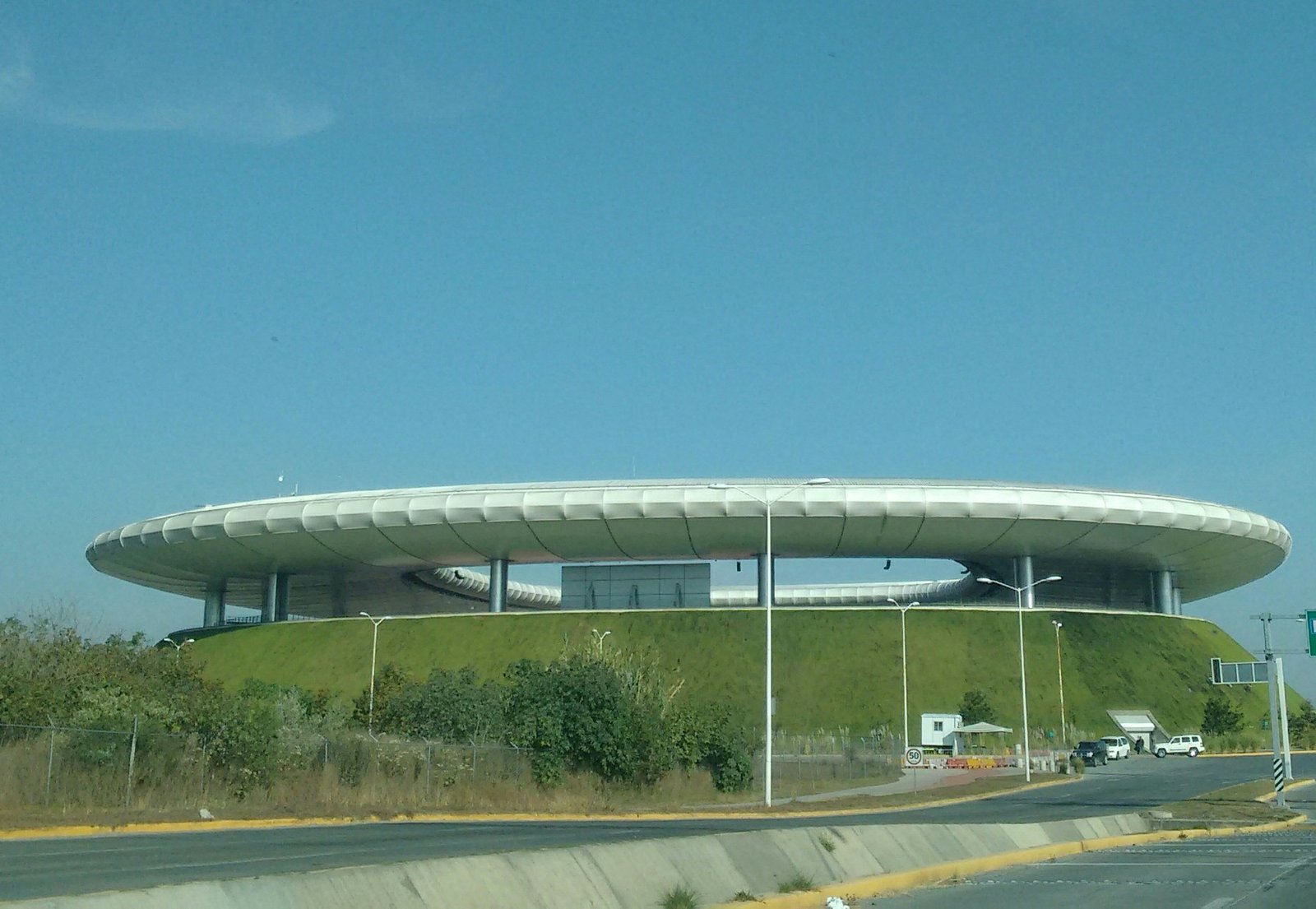
Every Guadalajara Match at Estadio Akron
Estadio Akron (officially “Estadio Guadalajara” for the tournament) sits in Zapopan, the municipality immediately west of Guadalajara proper — about 15 km from Centro Histórico. Capacity for the World Cup is around 48,000 in the soccer configuration, making it the smallest of the three Mexican host venues. Here’s the full Guadalajara slate (all times Central, CST):
| Date | Kick-off (CT) | Match | Stage |
|---|---|---|---|
| Thu, Jun 11 | 9:00 PM | South Korea vs. Czechia | Group |
| Thu, Jun 18 | 8:00 PM | Mexico vs. South Korea | Group |
| Tue, Jun 23 | 9:00 PM | Colombia vs. DR Congo | Group |
| Fri, Jun 26 | 7:00 PM | Uruguay vs. Spain | Group |
The Mexico vs. Korea Republic game on June 18 is the single most attended fixture in Guadalajara — El Tri’s only match outside Estadio Azteca, with a home crowd that will fill Akron from first whistle to last. Expect sold-out hotels across the entire metro, traffic gridlock on Av. Vallarta and Períférico for hours, and the loudest Mexican crowd outside of Mexico City. The Uruguay vs. Spain match on June 26 is arguably the best group-stage fixture of the entire tournament — two former champions likely both in knockout contention. Book by early May 2026 or expect to pay 3–4x baseline for hotels during those two weeks.
Gates open 2 hours before kick-off at Estadio Akron. The Tren Ligero (Guadalajara’s light rail) does NOT reach Akron — the closest station is Periférico Norte + a 20-minute taxi or shuttle. Plan to either rideshare from your hotel (expect 45–75 minute surge-priced trips on match day) or use the official match-day shuttle routes from downtown hotel hubs. Arrive 3+ hours early for the Mexico match, no exaggeration.
Getting To Estadio Akron
Estadio Akron sits in Zapopan’s western edge — 15 km (9 miles) from Centro Histórico and effectively unreachable by the city’s light rail. Match-day traffic on Av. Vallarta, Períférico Norte, and Av. Ramón Padilla jams badly for hours before and after. Plan accordingly.
1. Official match-day shuttles (recommended)
For World Cup 2026, the host committee is running dedicated shuttle routes from downtown hubs (Plaza de la Liberación, Glorieta Minerva, major hotel clusters) direct to Akron, with dedicated match-day bus lanes. Rates are expected around MXN $150–$250 ($8–$14 USD) round trip. Buy in advance on the host-committee site; match-day same-day purchases may sell out. This will be the sanest option for non-Spanish-speaking fans.
2. Mi Macro Períférico + walk
The Mi Macro Períférico BRT runs north-south along the ring road with a stop at Minerva/Independencia — from there, a 15–20 minute walk to Akron along Av. Independencia. MXN $12 ($0.70 USD) per ride. Works well for the afternoon matches; less advisable for the 10 PM Uruguay vs. Spain kick unless you’re up for a late-night walk.
3. Rideshare (Uber, DiDi, Cabify)
Uber, DiDi, and Cabify all operate in Guadalajara. Expect MXN $150–$400 ($8–$24 USD) from downtown to Akron on match days, with 2–3x surge pricing 90 minutes before kick-off. DiDi is often 20–30% cheaper than Uber in Mexico. Post-match rides are a nightmare — plan to wait 45+ minutes and walk 10+ minutes outside the stadium perimeter before your ride can collect you.
4. Driving and parking
Estadio Akron has roughly 3,500 on-site parking spots at MXN $300–$500 ($18–$30 USD) during the tournament, pre-booked online only. Overflow parking in Zapopan commercial lots fills 3+ hours before kick-off. Traffic on Períférico Norte and the Av. Vallarta corridor is routinely backed up 2–3 hours post-match. Drive only if you’re coming from outside the metro area and can arrive 4+ hours early.
Where to Stay: Neighborhoods Ranked by Match-Day Sanity
Guadalajara has strong hotel density across Centro Histórico, Chapultepec, and Providencia. The match-day priority is either walkable Fan Fest access (Centro) OR closer proximity to the Zapopan stadium corridor (Providencia, Zapopan proper).
The hipster-cool corridor along Av. Chapultepec with craft bars, cafes, boutique restaurants, and a walkable grid. Equidistant to Centro (25 min walk east) and Providencia (15 min walk west). Best nightlife for watching late matches post-stadium. The canonical match-day neighborhood base.
Walking distance to Plaza de la Liberación Fan Fest, the cathedral, Teatro Degollado, Hospicio Cabañas, and Mercado San Juan de Dios. Cheaper hotels than Chapultepec, with 19th-century architecture and the densest tourist infrastructure. Noisier at night. Best for first-time Guadalajara visitors.
Guadalajara’s upscale shopping + dining district with Andares Mall, Plaza Galerías, and luxury restaurants. Closer to Akron (20 min drive vs 35 from Centro). Business-class hotels (Camino Real, Hilton Guadalajara Expo). Quieter evenings, safer for late walks. Trade-off: less cultural atmosphere.
The municipality next to Akron stadium itself, 5–15 min by car to the venue. Modern corporate hotels (Hilton Gdl, Westin). Less cultural character than Centro or Chapultepec, but worth considering if you’re doing all 4 matches and want to minimize commute time. Basilica de Zapopan is worth a visit.
Suburb 10 km east of Centro, famous for ceramic artisans, galleries, and traditional Mexican restaurants. Great boutique hotels in colonial buildings. 30–40 min by rideshare to Akron. For visitors prioritizing cultural character over stadium access — this is the play.
Trendy younger-crowd area with excellent restaurants and nightlife, but thin hotel supply. Best for Airbnb or boutique stays. Close to Chapultepec on foot. Can feel loud and crowded during match weekends. Consider only if Chapultepec is sold out.
✓ One Key rewards across brands
Traveling with a group, or staying for multiple matches?
Guadalajara’s Vrbo inventory in Chapultepec, Providencia, and colonial Tlaquepaque houses is strong — 2–4 bedroom condos and restored colonial homes that split 4–8 ways cheaper per person than downtown hotels. For a full Mexico + Uruguay vs. Spain + extras run, a Vrbo lets you host friends on match nights and save on peak-week rates.
Book in MXN on local Mexican booking sites (like Expedia.mx) if possible — US-dollar pricing on international sites sometimes bakes in worse exchange rates. Most hotels accept USD cash at the desk but the rate will be worse than your card. Use a no-FX-fee credit card (Schwab, Capital One Venture, Chase Sapphire) for the best rate. And always book flexible rates for June 26 Uruguay vs. Spain — knockout qualification scenarios will shift ticket demand weekly.
Fan Festival & The Best Bars to Watch Matches
Guadalajara’s FIFA Fan Festival is at Plaza de la Liberación in the historic center — the plaza between the Cathedral and Teatro Degollado, one of the most iconic civic spaces in Mexico. Fan Fest runs the full tournament (June 11–July 19, 2026) with 40,000 simultaneous capacity and an estimated 60,000–70,000 daily attendance, free with no advance registration required. All 104 tournament matches broadcast on giant screens, plus live music, food trucks, mezcal tastings, and activations on Paseo Fray Antonio Alcalde. For Mexico’s June 18 home match this will be absolutely electric, rivaling anything in Mexico City.
Best bars and watch parties (for when 40,000 strangers aren’t your thing)
Legendary Guadalajara cantina since 1921 with tin ceilings, original fixtures, and a deep mezcal list. Will show every match on TVs scattered throughout. Gets packed but atmospheric and genuinely historic. Order a cazuela and stay all afternoon.
Multi-tap craft beer bar with big screens and a soccer-obsessed crowd. Signature torta ahogada sandwich for match-day fuel. Walking distance to most Chapultepec hotels. Best post-match spot to debrief Mexico’s performance.
Trendier gastropub on Av. Americas with a strong cocktail program and curated menu. Screens but not sports-bar-level volume. Good for watching the Colombia vs. DR Congo or Uruguay vs. Spain matches without the Mexico-home-crowd frenzy.
Modern sports bar in Providencia with the biggest screens in upscale Guadalajara and full international beer lineup. Packed for every Mexico match and traveling European supporter crowds. Reservations recommended for Mexico vs. Korea.
Colonial courtyard restaurant-bar serving Jaliscan classics with a leisurely afternoon-match crowd. Historic 17th-century former convent. Better for daytime matches — quieter and more relaxed than the cantina scene. Signature: pozole rojo.
Rooftop bar with panoramic views of Centro and the cathedral. Pre-match cocktails and tapas before Fan Fest, or a post-match decompression. Less screens, more ambiance. One of the best sunset spots in Guadalajara.
What To Actually Eat In Guadalajara
Guadalajara is the birthplace of tequila, mariachi, AND tortas ahogadas — three foundational pillars of Mexican culture concentrated in one city. Tapatía cuisine is distinct from central Mexico and Oaxacan cooking: it’s porkier, more sauce-forward, and the bread game is legendary. A few rules: eat at least one torta ahogada (drowned pork sandwich), drink the tequila here not in Cancun, find birria de res Jaliscan-style, and try the cemita-like carne en su jugo.
Guadalajara essentials
The drowned-in-salsa pork sandwich that defines Guadalajara street food. Birote bread (only baked in Guadalajara’s altitude), pork, onions, all submerged in fiery tomato-arbol chile salsa. MXN $60–$90 ($3.50–$5 USD). Every local has a favorite spot — José’s is a solid central option with English speakers.
Guinness record holder for fastest service — your beef-and-bacon bowl (carne en su jugo) arrives in under 30 seconds. Cult Guadalajara institution. Simple menu, huge portions, MXN $180–$250. The post-stadium carb-load of choice.
Jaliscan birria (goat and beef stew) done the original way — slow-braised, served with consomé for dipping, fresh corn tortillas. Nothing like the trendy quesabirrias — this is the real thing. Under MXN $300 per person, open daytime only. Saturday mornings are peak.
Chef Paco Ruano’s modernist take on Jaliscan cuisine — regional ingredients in fine-dining execution. $80–$130 USD per person including pairings. Book 4+ weeks ahead for tournament weeks. The splurge dinner when you want a whole night off from cantina noise.
Beyond Tapatía classics
Trendy mezcal bar + restaurant with a massive bone-wall facade (literally). Modern Mexican with strong cocktails and small plates. Great for a late pre-stadium dinner before a 10 PM kickoff. Reserve 1 week ahead.
200+ tequila list with knowledgeable bartenders who’ll walk you through blanco/reposado/añejo. Food is solid regional Mexican, but the tasting experience is the point. MXN $600–$1,200 for a proper flight. Perfect after a Tequila day trip (see Rest-Day section).
Modern Mexican brunch spot with killer chilaquiles, chicharron benedicts, and single-origin coffee. Perfect morning-after fuel. Will be rammed on weekend match days — show up at 9 AM or 11:30 AM to skip the waitlist. Cash + cards.
Taiwanese + Japanese + Mexican fusion that works better than it should. Pork belly bao, gyoza, tuna tostadas. Strong cocktail program. A nice break from cantina rotation if you’re in Guadalajara a full week. Book ahead.
Getting Around Guadalajara
Guadalajara has Mexico’s second-best public transit after CDMX — Tren Ligero (light rail), Mi Macro BRT, plus ubiquitous rideshare. You don’t need a car for most of a World Cup trip unless you’re day-tripping to Tequila or Lake Chapala.
From the airport
Guadalajara International (GDL) is 17 km southeast of downtown. There is no rail connection to the airport — you’ll use Uber/DiDi (MXN $250–$400, $15–$24 USD, 25–45 min depending on traffic) or the taxi autorizado counter inside the terminal (slightly more expensive, fixed-price). Official airport shuttle buses run to Centro every 30 minutes for MXN $120 ($7 USD) — slower but cheaper and reliable.
Tren Ligero (Light Rail)
Three lines (L1, L2, L3) connecting most of Guadalajara proper. Does NOT reach Estadio Akron — an important tactical note. Useful for Centro to Chapultepec and for reaching Mi Macro BRT transfers. MXN $9.50 ($0.55 USD) per ride, cash or SITEUR card. Trains every 5–8 minutes.
Mi Macro BRT
Bus rapid transit with dedicated lanes — Mi Macro Calzada runs north-south; Mi Macro Períférico runs the ring road. The Períférico line has a stop near Minerva/Akron that gets you closest to the stadium on public transit. MXN $12 ($0.70 USD) per ride.
Rideshare & car rental
Uber, DiDi, and Cabify all work well in Guadalajara. Rates are about 40–50% cheaper than US cities. Rental car is worth it only for day trips to Tequila (45 min west on the Jalisco 15D highway), Lake Chapala (40 min south), or Guachimontones ruins (90 min west). Downtown parking is expensive and streets are narrow — skip the rental for city use.
Things To Do Beyond The Matches
With 4 matches spread over 15 days, fans doing the full group-stage run have 10+ rest days in Guadalajara. Jalisco rewards those days — tequila country, colonial Mexico, Aztec-era ruins, and highland lake towns all within a 2-hour drive.
UNESCO World Heritage agave fields and the birthplace of tequila. Tour Jose Cuervo, Herradura, or boutique distillery Fortaleza. Tequila Express luxury train from Guadalajara is the touristy-but-worth-it option. Plan for a full day with tastings — do NOT drive back after.
UNESCO-listed 19th-century orphanage with José Clemente Orozco’s monumental frescoes — considered among the greatest Mexican murals ever painted. Centro location, walking distance from Fan Fest. The most important art site in Guadalajara.
Colonial ceramic-and-glass artisan town 10 km east of Centro. Pedestrian streets lined with galleries, mariachi plaza, boutique hotels, and traditional Mexican restaurants. Saturday and Sunday afternoons have live mariachi throughout. The canonical Guadalajara rest-day.
Mexico’s largest freshwater lake, 40 min south. Ajijic village has a huge American/Canadian expat community and excellent restaurants, Chapala town has the original waterfront. Boat tours, seafood for lunch, art galleries. A proper escape-the-city day.
Latin America’s largest indoor market — 3 floors, 3,000+ stalls, endless food stalls, leather goods, handicrafts, and the best food court in the city. Try birria, pozole, carnitas from any of the fondas on the 2nd floor. Chaotic but essential. Cash only mostly.
Pre-Columbian archaeological site with unique circular pyramids (one of the few of its kind in the Americas). Small site, solid museum, virtually no crowds. Worth a full day if you’re a history fan and renting a car. Combine with a Tequila stop on the way back.
Between matches? Book Tequila tours and Lake Chapala trips early.
Tequila Express train tickets, full-day distillery tours, Hospicio Cabañas guided visits, and Lake Chapala day trips all book out during tournament week. Viator handles most of them with free cancellation up to 24 hours, so you can lock in rest-day slots now and adjust if Mexico’s qualification scenario shifts your schedule.
Essential Travel Tips
Weather & packing
Guadalajara in June is warm and increasingly rainy — rainy season kicks in by mid-June. Daytime highs 80–88°F (27–31°C), overnight lows 60–68°F (16–20°C). Afternoon thunderstorms are routine — pack a compact rain shell and quick-dry pants. Altitude is 5,100 ft (1,566 m) so mornings feel crisp and UV exposure is strong. Sunscreen is non-optional.
Language
Spanish is the primary language. English fluency is common at tourist-facing hotels, Centro restaurants, and rideshare drivers, but rarer in local cantinas and neighborhood food spots. Learn the basics — “la cuenta por favor,” “una más,” “¿acepta tarjeta?” Google Translate offline download for Spanish is smart before arrival.
Tipping
Standard: 10–15% at restaurants (service often already included — check the receipt for “propina incluida”), MXN $20–$50 per bag for porters, 10% for taxi/rideshare (not expected but appreciated), 10% at cantinas. Smaller tips than US — but cash tips in MXN are strongly preferred over credit card tips.
Visa & travel insurance (international fans)
US and Canadian citizens don’t need a visa to enter Mexico — passport and a Forma Migratoria Múltiple (FMM, filled out on the flight or at the border) for stays up to 180 days. Visa Waiver countries (UK, France, Germany, Japan, Australia, etc.) need only a valid passport. Other passports check the Mexican consulate site. Travel insurance is strongly recommended — private Mexican hospitals are excellent but charge out-of-pocket.
Heading to Guadalajara from abroad? Get covered before you land.
Mexican private healthcare is excellent but visitors pay out of pocket upfront unless insured — an ER visit can run MXN $15,000–$60,000 ($900–$3,500 USD). SafetyWing Nomad Insurance covers emergency medical, hospital stays, trip interruption, and evacuation starting around $45 USD/week. Designed for travelers, extendable if your trip runs long.
A Guadalajara Local’s Pro Tips
- The Tren Ligero does NOT reach Estadio Akron. This is the single most important tactical note. Plan rideshare, official shuttle, or Mi Macro Periferico + walk. The L1 line ends at Períférico Norte, still 20 minutes by taxi from Akron.
- Use DiDi over Uber. DiDi is 20–30% cheaper in Mexico and has equal driver coverage in Guadalajara. Install both apps and compare rates each trip.
- USD is widely accepted but the rate will be bad. Withdraw MXN at a bank ATM (HSBC, Santander, BBVA) for interbank rate. Avoid currency exchange desks at the airport — they lose you 5–10%.
- The torta ahogada is peak Guadalajara food, but mind the salsa heat. Order “media ahogada” (half-drowned) your first time unless you know your tolerance. Arbol chile is legitimately hot.
- Don’t drink tap water. Bottled water everywhere (most restaurants include it free). Ice at reputable restaurants is safe. Street food stalls are fine with bottled-water prep.
- June is rainy season. Storms roll in fast in late afternoon. Pack an actual rain shell, not just an umbrella — Guadalajara wind makes umbrellas useless.
- Mercado San Juan de Dios is a zoo in the best way. Go Tuesday or Wednesday morning before noon to actually see the stalls without the weekend crush.
- Mexico vs. Korea (June 18) is the ticket of the tournament. If you have one, arrive 3+ hours early, bring cash for the cantinas, and don’t drive. No exaggeration on the traffic warnings.
- Tlaquepaque is better on weekday mornings. Weekend afternoons are touristy-mobbed. Tuesday through Thursday mornings: genuine artisans at work, half the people.
Final Verdict: Your Guadalajara World Cup 2026 Playbook
If you’re flying in for Mexico vs. Korea (June 18) — fly into GDL Wednesday June 17, Uber to Centro or Chapultepec, torta ahogada lunch Thursday at Mercado, Fan Fest 3 PM, match at 9 PM, fly out Friday morning. Book by early May.
If you’re doing the full group-stage run (June 11–26) — Vrbo in Chapultepec or Tlaquepaque, Tequila day trip on a rest day, Hospicio Cabañas + Hospicio art day, Lake Chapala weekend, all 4 matches plus 2–3 Fan Fest days. Peak Jalisco summer experience.
If you’re here for Uruguay vs. Spain (June 26) — fly in Wednesday June 24, depart Sunday June 28. Less crushing tourist load than Mexico-match week but serious international-supporter energy. Book Chapultepec or Providencia, Tequila Friday, match Saturday night.
Whatever you do — use DiDi for rides, book tortas ahogadas on day one, don’t drive to Akron, and respect the rainy-season storms. Guadalajara rewards a slower pace than Mexico City — don’t try to over-schedule.
Frequently Asked Questions
Disclosure: This guide may contain affiliate links. If you book through them we may earn a small commission at no extra cost to you — it helps keep TheGreatReviewer ad-free. All recommendations reflect our actual, unbiased opinions, and no brand paid for placement. Prices and availability quoted are estimates as of April 2026 and subject to change.
Travel insurance for World Cup 2026?
SafetyWing covers stadium delays, lost luggage, and medical costs for international fans — with flexible monthly plans built for travelers.
Get a Quote →